


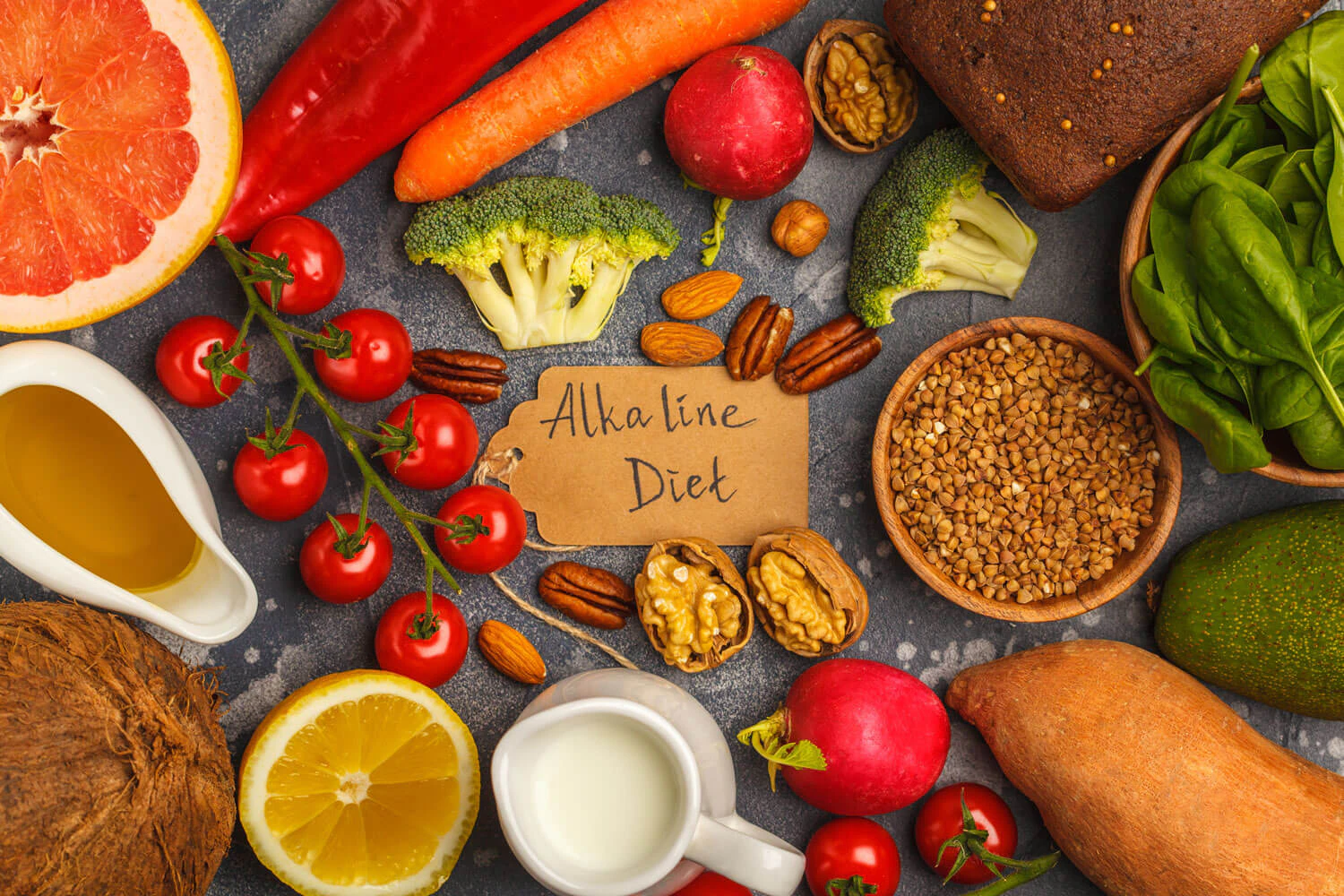
Alkaline Diet for Cancer: What It Is, How It Works, and What to Eat
An alkaline diet for cancer focuses on increasing alkaline-forming foods—primarily vegetables—while reducing acid-forming foods such as sugar, processed foods, and refined grains. The goal is to support metabolic balance, reduce systemic stress, and create a healthier internal environment.
What Is an Alkaline Protocol?
An alkaline protocol is a nutrition strategy designed to balance the body’s acid–base load through food choices. It emphasizes:
- High intake of vegetables and greens
- Reduction of processed and inflammatory foods
- Limiting sugar and refined carbohydrates
- Supporting the body’s natural buffering and detoxification systems
Rather than attempting to change blood pH (which is tightly regulated), the focus is on reducing dietary acid load and improving overall metabolic health.
How Does an Alkaline Diet Support the Body?
An alkaline-focused diet may support health through several mechanisms:
- Reduces dietary acid load, easing the burden on buffering systems
- Supports mineral balance, including magnesium and potassium
- Helps reduce inflammation, which is associated with chronic disease
- Improves metabolic function, including blood sugar regulation
- Supports immune function through nutrient-dense foods
These effects contribute to a more stable internal environment that supports overall resilience.
What Foods Are Included in an Alkaline Diet?
Primarily Alkaline-Forming Foods
- Leafy greens (spinach, kale, arugula)
- Cruciferous vegetables (broccoli, cauliflower, Brussels sprouts)
- Cucumbers, celery, zucchini
- Avocados
- Herbs and spices
- Lemon and lime (alkaline-forming after digestion)
Foods Commonly Reduced or Avoided
- Processed sugar
- Refined grains (including wheat products)
- Dairy products
- Processed and packaged foods
- Excess animal protein
The diet is typically plant-forward, emphasizing whole, unprocessed foods.
Are Acidic Foods Always “Bad”?
Not necessarily.
Some foods that are acidic in taste—such as lemons and limes—actually produce an alkaline effect after digestion. This is often referred to as “alkaline ash.”
The key distinction is:
- Taste ≠ metabolic effect
- What matters is how the body processes the food
Does an Alkaline Diet Change Body pH?
Blood pH is tightly regulated by the body and remains within a narrow range (approximately 7.35–7.45).
An alkaline diet does not significantly change blood pH, but it can influence:
- Urinary pH
- Mineral balance
- Inflammatory load
- Overall metabolic function
These factors are more relevant to long-term health than altering blood pH directly.
How to Test Your pH at Home
Some individuals choose to monitor their pH using test strips.
How to test:
- Use pH test strips (litmus paper)
- Test urine or saliva
- Best times:1 hour before meals
2 hours after meals
Typical reference range:
- Urinary pH often ranges from 6.0–7.5 depending on diet and hydration
These measurements reflect dietary patterns, not overall systemic pH.
Potential Benefits of an Alkaline Protocol
Patients following an alkaline-style diet often report:
- Improved energy levels
- Better digestion
- Reduced inflammation
- More stable blood sugar
- Enhanced overall well-being
The primary benefit is not a single effect, but improved overall metabolic balance.
How This Fits Into Integrative Cancer Care
At Utopia Cancer Center, nutrition is considered a foundational component of care.
An alkaline-focused dietary approach may be used alongside:
- IV nutrient therapies
- Detoxification support
- Immune optimization
- Oxygen-based therapies
- Mind-body interventions
This comprehensive strategy addresses the internal environment, not just the diagnosis.
Frequently Asked Questions
Can an alkaline diet cure cancer?
No. An alkaline diet is not a cure for cancer. It is used as a supportive nutritional strategy within a broader treatment plan.
Why reduce sugar on an alkaline diet?
High sugar intake is associated with inflammation and metabolic imbalance. Reducing sugar supports overall health and stability.
Is fruit allowed on an alkaline diet?
Yes, but often in moderation. Emphasis is typically placed on vegetables over high-sugar fruits.
Do I need to be 100% alkaline?
No. The goal is balance, not perfection. Most approaches aim for a higher proportion of alkaline-forming foods.
Take the Next Step
Nutrition plays a critical role in supporting the body during cancer care, but it is most effective when part of a structured, personalized plan.
At Utopia Cancer Center, we help patients understand how dietary strategies—including alkaline protocols—fit into a comprehensive approach.
Schedule your complimentary consultation to:
- Review your current diet and health status
- Identify opportunities for improvement
- Build a personalized nutrition and treatment plan
📞 (727) 799-9060
🌐 utopiacancercenter.com
More clarity. More control. A better path forward.