


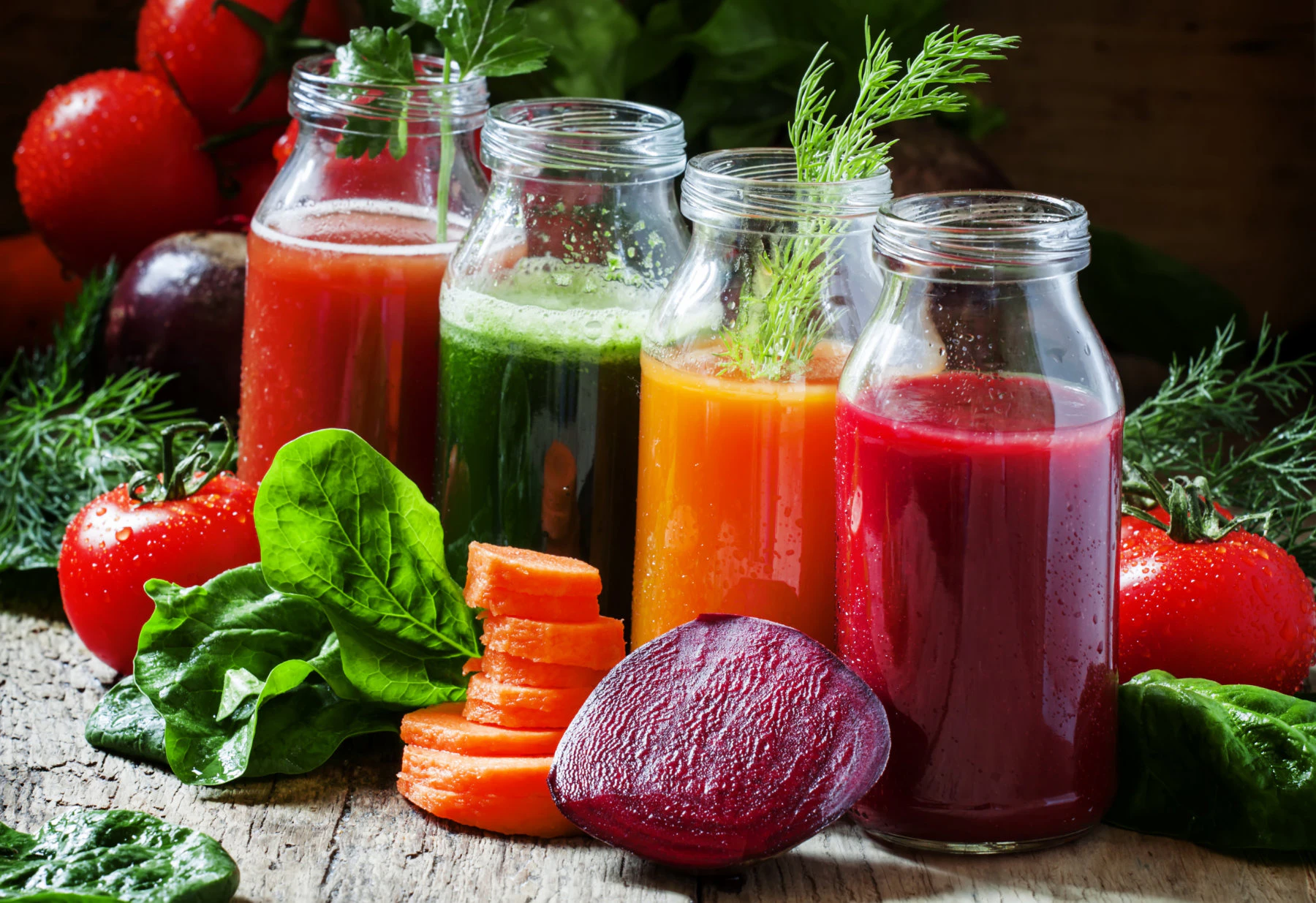
What Is Juicing?
Juicing involves separating the liquid from whole fruits and vegetables, leaving behind most of the fiber. This allows nutrients to be delivered in a concentrated, easy-to-consume form.
Because the digestive workload is reduced, the body can absorb certain nutrients more quickly, which may be helpful for individuals with reduced appetite or increased nutritional needs.
How Juicing Supports the Body
Fresh vegetable and fruit juices provide essential nutrients that support normal physiological function.
Juicing may help:
- Increase intake of vitamins and minerals
- Support hydration
- Provide antioxidants that help manage oxidative stress
- Support overall energy and well-being
- Complement a balanced, whole-food diet
Juicing is typically used as a supplement to meals, not a replacement for whole foods.
Potential Benefits of Juicing
When incorporated into a structured nutrition plan, juicing may support:
- Improved nutrient intake
- Better hydration
- Digestive comfort in some individuals
- Increased consumption of vegetables
- Overall dietary quality
Results vary depending on diet, health status, and consistency.
Juicing in Integrative Cancer Care
In integrative settings, juicing is sometimes included as part of a broader nutritional strategy.
At Utopia Cancer Center, juicing is incorporated into individualized programs to help patients:
- Maintain nutritional intake during treatment
- Support overall metabolic function
- Complement other therapies such as IV nutrition and dietary planning
It is not a standalone therapy but part of a comprehensive approach.
Best Foods for Juicing
Common vegetable choices:
- Leafy greens (spinach, kale, Swiss chard)
- Cucumbers
- Celery
- Carrots
- Beets
Fruits (used in moderation):
- Apples
- Berries
- Citrus fruits
Vegetable-based juices are often emphasized to reduce excess sugar intake.
What Type of Juicer Is Best?
There are two main types of juicers:
Masticating (Slow) Juicers
- Operate at low speeds
- Preserve more nutrients and enzymes
- Work well with leafy greens
- Typically recommended for nutrient-focused juicing
Centrifugal Juicers
- Operate at high speeds
- Faster and more convenient
- May generate heat, which can affect some nutrients
For those prioritizing nutrient preservation, masticating juicers are generally preferred.
Is Juicing Safe?
Juicing is generally safe when proper preparation practices are followed.
Safety tips:
- Wash all produce thoroughly
- Use clean equipment
- Consume juice soon after preparation
- Choose organic produce when possible
Because juices are unpasteurized, proper hygiene is important.
Common Questions About Juicing
Is juicing better than eating whole vegetables?
Juicing can increase nutrient intake, but whole vegetables provide fiber and should remain a key part of the diet.
Can juicing help with cancer?
Juicing is not a treatment for cancer. It is used as a supportive nutritional strategy within a broader care plan.
How often should I juice?
Frequency varies. Some individuals juice daily, while others incorporate it a few times per week.
Should I avoid fruit juices?
Fruit can be included, but many plans emphasize vegetable-based juices to limit sugar intake.
Can juicing replace meals?
In most cases, juicing is used alongside meals rather than replacing them entirely.
How Juicing Fits Into a Whole-Body Approach
At Utopia Cancer Center, juicing is integrated with:
- Nutritional counseling
- Detoxification support
- IV nutrient therapy
- Immune system support
This approach helps support overall nutritional status and well-being.
Why Patients Choose Utopia Cancer Center
Patients choose Utopia Cancer Center for:
- Personalized nutrition guidance
- Physician-directed care
- Whole-person approach
- Emphasis on safe, supportive therapies
Take the Next Step
If you are exploring juicing and want to understand how it may fit into your overall care plan, the next step is a personalized consultation.
Schedule your complimentary consultation to:
- Review your nutritional needs
- Learn how to incorporate juicing effectively
- Build a customized nutrition strategy
📞 (727) 799-9060
🌐 utopiacancercenter.com
Better nutrition. Better support. A stronger foundation for health.