

What Is Chelation Therapy?
Chelation therapy (pronounced key-LAY-shun) is a process in which a compound binds to metals like lead or mercury, forming a complex that the body can excrete.
It is:
- FDA-approved for heavy metal poisoning (such as lead toxicity)
- Administered intravenously (IV) in clinical settings
- Used in some integrative programs as a supportive therapy
How Chelation Therapy Works
During treatment:
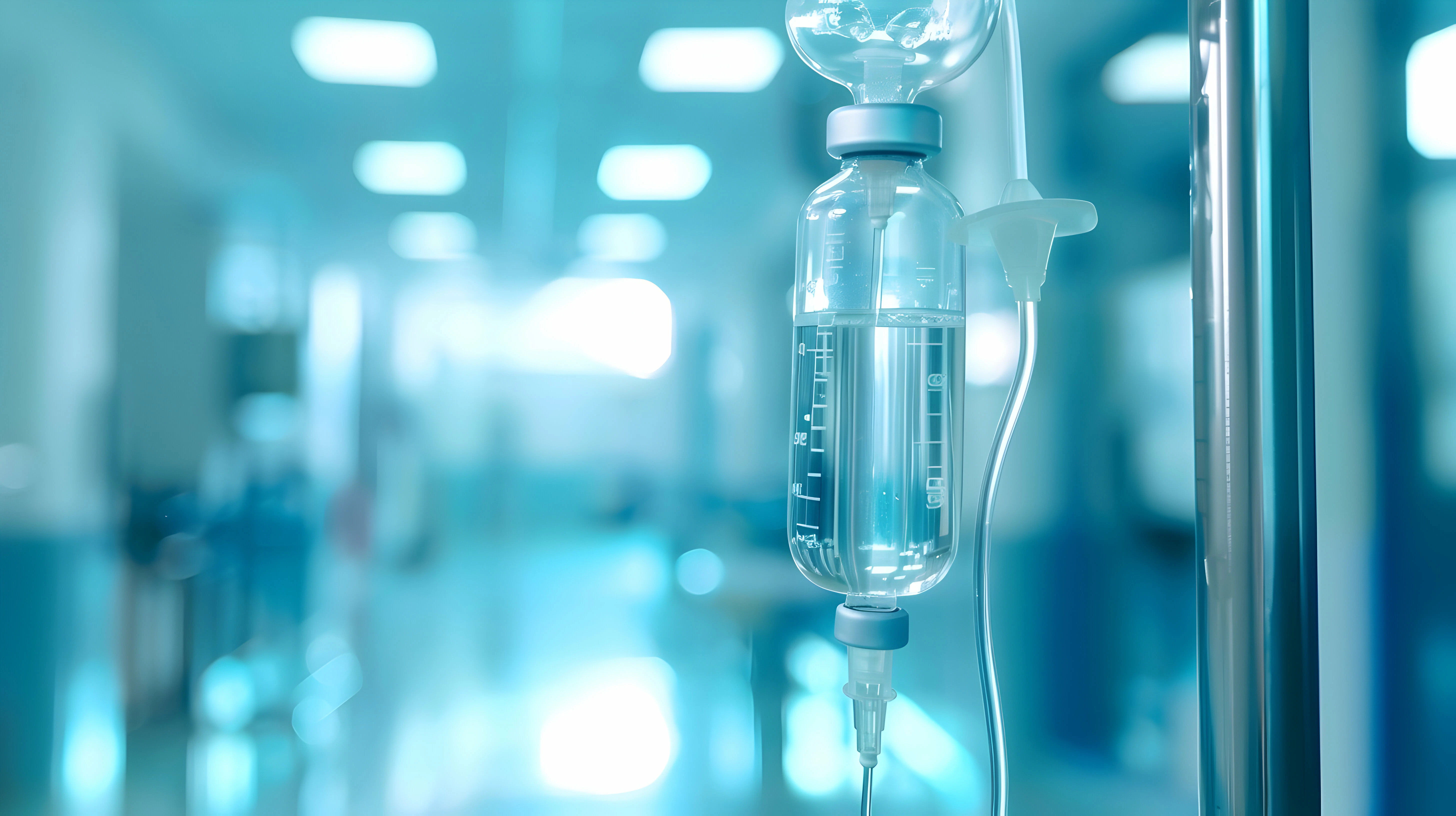
- A chelating agent (commonly EDTA) is infused into the bloodstream
- The agent binds to certain metals and minerals
- These complexes are filtered by the kidneys
- The body eliminates them through urine
This process is designed to reduce the body’s burden of specific metals.
What Metals Does Chelation Therapy Target?
Chelation therapy is primarily used for:
- Lead
- Mercury
- Arsenic
- Cadmium
It is most effective when elevated levels are confirmed through testing.
Chelation Therapy in Integrative Care
In integrative settings, chelation therapy is sometimes used as part of a broader health program.
At Utopia Cancer Center, it may be incorporated to:
- Support detoxification pathways
- Complement nutritional and metabolic support
- Assist patients with confirmed heavy metal exposure
It is not used as a standalone treatment for cancer.
Potential Benefits of Chelation Therapy
When appropriately indicated, chelation therapy may help:
- Reduce levels of certain heavy metals
- Reduce free radicals
- Support overall detoxification processes
- Improve circulation in specific clinical contexts
- Support general metabolic function and oxygen delivery
Results vary depending on individual health status and treatment goals.
Is Chelation Therapy Safe?
Chelation therapy is generally safe when performed under medical supervision and for appropriate indications.
Important safety considerations:
- Requires proper patient screening
- Kidney function must be monitored
- Electrolyte balance must be maintained
- Should only be administered by trained professionals
At Utopia Cancer Center, treatments are delivered using established clinical protocols.
Possible Side Effects
Most side effects are mild and temporary.
Common side effects may include:
- Discomfort at the IV site
- Mild fatigue
- Headache or lightheadedness
Less common considerations:
- Changes in mineral levels
- Kidney stress (rare with proper monitoring)
- Low blood pressure if infusion rate is too fast
Careful monitoring helps minimize risks.
Who May Benefit from Chelation Therapy?
Chelation therapy may be considered for individuals who:
- Have confirmed heavy metal exposure
- Are seeking medically supervised detox support
- Are part of an integrative care program
It is not appropriate for all individuals and requires evaluation.
How Chelation Therapy Fits Into a Whole-Body Approach
At Utopia Cancer Center, chelation therapy is combined with:
- Nutritional counseling
- IV nutrient therapy
- Detoxification support
- Lifestyle and metabolic support
This integrated approach supports overall health rather than focusing on a single therapy.
Frequently Asked Questions
Is chelation therapy FDA-approved?
Yes, it is FDA-approved for treating certain types of heavy metal poisoning.
Can chelation therapy treat cancer?
Chelation therapy is not a treatment for cancer. It may be used as a supportive therapy in integrative care.
How long does a session take?
Most treatments last between 1–3 hours, depending on the protocol.
How many sessions are needed?
The number of sessions varies based on individual needs and test results.
Do I need testing before treatment?
Yes, testing is typically recommended to determine whether chelation is appropriate.
Why Patients Choose Utopia Cancer Center
Patients choose Utopia Cancer Center for:
- Physician-directed integrative care
- Personalized treatment plans
- Emphasis on safety and monitoring
- Whole-person approach
Take the Next Step
If you are exploring chelation therapy and want to determine whether it is appropriate for you, the next step is a personalized consultation.
Schedule your complimentary consultation to:
- Review your health history
- Discuss testing and eligibility
- Build a customized care plan
📞 (727) 799-9060
🌐 utopiacancercenter.com
Targeted detox. Better support. A stronger foundation for health.
Research Studies
Ferrero ME. Rationale for the Successful Management of EDTA Chelation Therapy in Human Burden by Toxic Metals. Biomed Res Int. 2016;2016:8274504. doi: 10.1155/2016/8274504. Epub 2016 Nov 8. PMID: 27896275; PMCID: PMC5118545.
Heike B. Bradl, Editor, Heavy Metals in the Environment: Origin, Interaction and Remediation, Elsevier/Academic Press, London (2005) 269 pp, November 2005, Journal of Colloid and Interface Science 291(1):307-307
He ZL, Yang XE, Stoffella PJ. Trace elements in agroecosystems and impacts on the environment. J Trace Elem Med Biol. 2005;19(2-3):125-40. doi: 10.1016/j.jtemb.2005.02.010. Epub 2005 Oct 24. PMID: 16325528.
Rapp, Doris J., MD, Our Toxic World: A Wake Up Call: Chemicals Damage Your Body, Brain, Behavior and Sex(Buffalo, NY: Environmental Medical Research Foundation, 2004
Chang LW, Magos L, Suzuki T, editors. Toxicology of Metals. Boca Raton. FL, USA: CRC Press; 1996.
Ravalli F, Vela Parada X, Ujueta F, Pinotti R, Anstrom KJ, Lamas GA, Navas-Acien A. Chelation Therapy in Patients With Cardiovascular Disease: A Systematic Review. J Am Heart Assoc. 2022 Mar 15;11(6):e024648. doi: 10.1161/JAHA.121.024648. Epub 2022 Mar 1. PMID: 35229619; PMCID: PMC9075296.
Ravalli F, Vela Parada X, Ujueta F, Pinotti R, Anstrom KJ, Lamas GA, Navas-Acien A. Chelation Therapy in Patients With Cardiovascular Disease: A Systematic Review. J Am Heart Assoc. 2022 Mar 15;11(6):e024648. doi: 10.1161/JAHA.121.024648. Epub 2022 Mar 1. PMID: 35229619; PMCID: PMC9075296.