

Cancer care is evolving. Increasingly, researchers and integrative clinicians are studying how existing medications may have additional biological effects beyond their original approved uses. This field is known as drug repurposing.
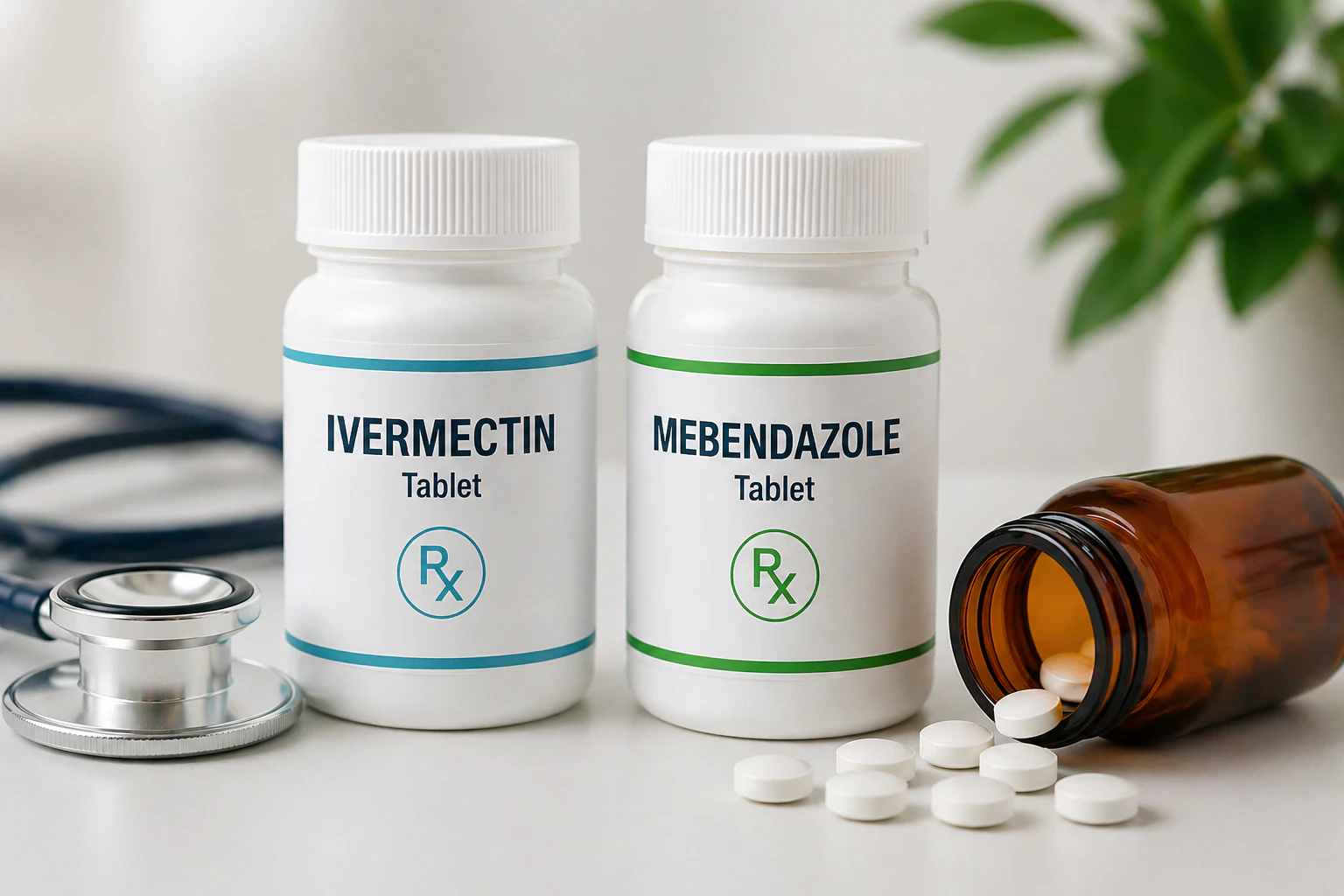
Two medications receiving growing attention are ivermectin and mebendazole. Both were originally developed as antiparasitic medications, yet laboratory and early clinical research has explored their potential relevance in cancer biology. Ivermectin is FDA-approved for certain parasitic infections, including intestinal strongyloidiasis, while mebendazole is approved for intestinal worm infections such as pinworm, whipworm, roundworm, and hookworm. Their use in cancer is considered off-label and investigational.
Why Repurposed Medications Are Being Studied
Repurposed medications are of interest because they already have known pharmacology, dosing history, and human safety experience. In oncology research, this can make them valuable candidates for further investigation, especially when they appear to affect pathways involved in tumor growth, inflammation, cellular metabolism, or immune signaling.
At Utopia Cancer Center, repurposed medication discussions are considered within a broader, personalized integrative cancer care strategy—not as a single stand-alone answer.
Ivermectin: Areas of Research Interest
Preclinical research has explored ivermectin’s potential effects on cancer-related pathways, including cell proliferation, metastasis, angiogenesis, and signaling pathways involved in tumor survival. Reviews have described ivermectin as a compound with multiple proposed anticancer mechanisms, though clinical evidence in humans remains limited and still developing.
Potential areas of interest include:
- Interference with cancer cell signaling pathways
- Effects on cellular proliferation
- Possible influence on tumor microenvironment activity
- Research interest in oxidative stress and programmed cell death pathways
Mebendazole: Areas of Research Interest
Mebendazole has also been studied as a drug repurposing candidate in oncology. Research has focused on its ability to interfere with microtubule formation, a process essential for cell division. Reviews have also discussed possible effects on angiogenesis, tumor growth signaling, and apoptosis.
Mebendazole has received particular research interest in brain tumors because some studies suggest potential relevance in central nervous system malignancies. A phase 1 study of mebendazole with temozolomide in malignant glioma found acceptable toxicity and called for further study to determine efficacy.
A Personalized, Integrative Approach
Cancer is complex. It involves not only abnormal cell growth, but also immune function, inflammation, metabolic health, toxic burden, oxygenation, stress physiology, and the body’s internal terrain.
For that reason, Utopia Cancer Center evaluates each patient individually and may consider multiple supportive strategies, including:
- Nutritional and metabolic support
- Immune system optimization
- Detoxification therapies
- Oxygen-based therapies
- IV nutrient and antioxidant support
- Mind-body and stress reduction therapies
- Discussion of appropriate off-label or repurposed medication options when clinically relevant
The goal is to help patients gain more clarity, more options, and a more comprehensive plan.
Are Ivermectin and Mebendazole Standard Cancer Treatments?
No. Ivermectin and mebendazole are not FDA-approved cancer treatments. Their use in cancer care is considered investigational and off-label. However, off-label prescribing is a recognized part of medical practice when a licensed clinician determines that it is appropriate for an individual patient.
At Utopia Cancer Center, these conversations are handled carefully, individually, and within the larger context of whole-person integrative cancer care.
Explore Your Options
If you have been diagnosed with cancer and want to better understand whether integrative therapies, supportive care, or repurposed medication strategies may fit into your plan, we invite you to schedule a complimentary consultation.
Call Utopia Cancer Center today at (727) 799-9060
or visit utopiacancercenter.com
More control. More options. A personalized path forward.